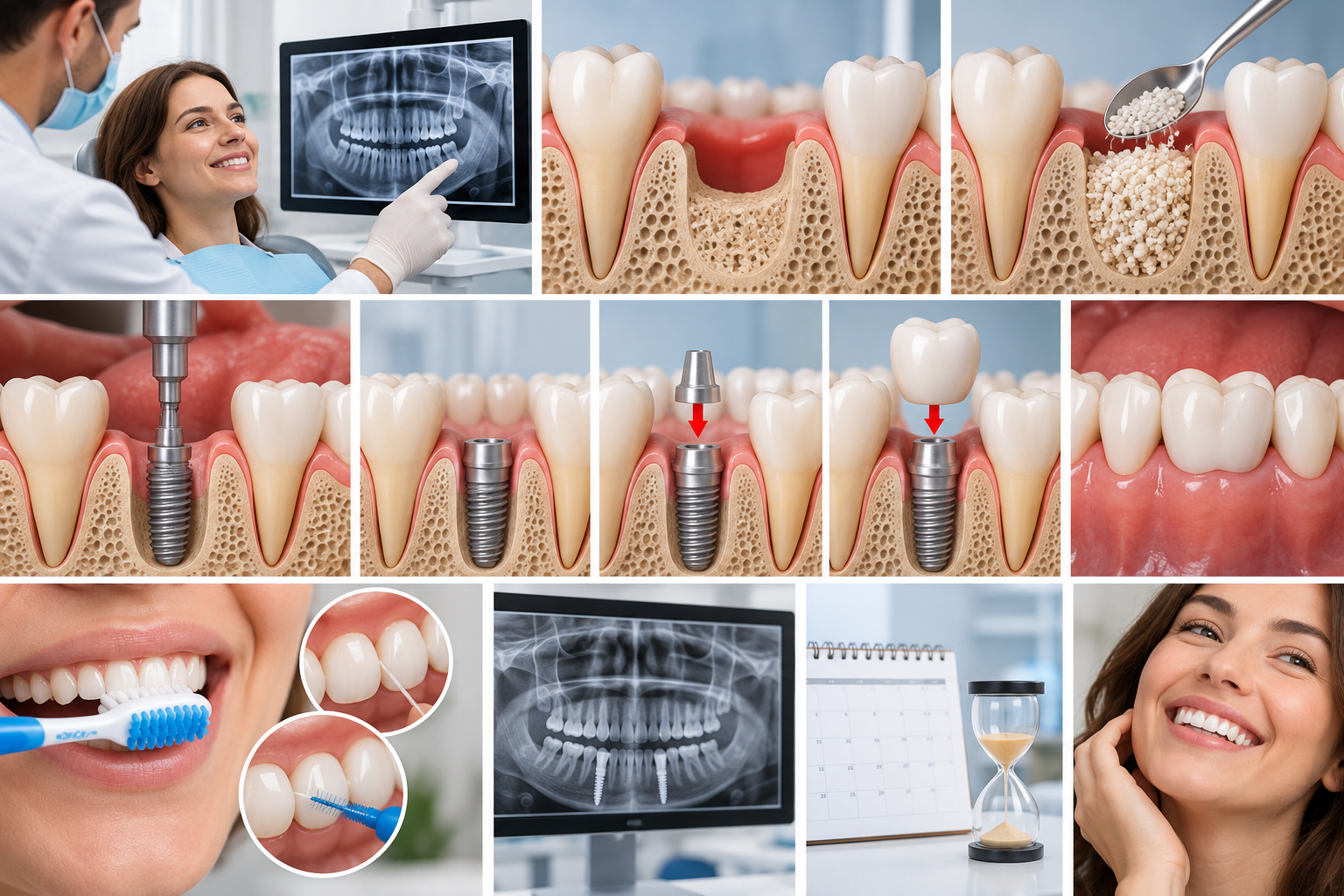
Dental implants are a modern treatment method used to replace missing teeth and provide an appearance and function similar to natural teeth. However, before deciding to have implants, it is not enough to consider only the price or appearance of the implant. The success of the treatment depends on many factors, including oral and dental health, the condition of the jawbone, general health conditions, and the treatment plan to be applied.
1. A Dental Examination Should Be Performed First
The first step of implant treatment is a detailed dental examination. The dentist evaluates the condition of the teeth and gums and may use panoramic X-rays or three-dimensional imaging methods when necessary.
This evaluation determines whether the jawbone is sufficient for the implant, the condition of neighboring teeth, and the anatomical characteristics of the area where the implant will be placed.
2. The Condition of the Jawbone Is Important
Sufficient bone support is required for the implant to be firmly placed in the jawbone. In some patients, a reduction in bone volume may occur due to long-term tooth loss.
If the amount of bone is insufficient, the dentist may consider additional procedures such as bone grafting or sinus lifting, depending on the patient's condition. Therefore, it should be understood that implant treatment is not applied in exactly the same way to every patient.
3. Oral and Gum Health Should Be Checked
If there are active gum diseases or untreated infections, these may need to be brought under control before implant placement. Healthy gums and good oral hygiene play an important role in the long-term maintenance of implants.
After getting implants, regular brushing, the use of dental floss or interdental cleaning products recommended by the dentist, and regular check-ups are also necessary.
4. Learn About the Characteristics of the Implant Used
Different implant systems from different manufacturers may be used in implant treatment. When preparing the patient's treatment plan, it is useful to obtain information about the implant brand, model, material, and warranty conditions.
Patients should keep the documents and treatment records related to the implant system used.
5. The Treatment Duration Is Not the Same for Every Patient
The duration of implant treatment varies depending on the patient's oral and bone structure, the number of implants, and any additional procedures that may be required.
In some cases, a healing and bone-integration period is allowed after the implant is placed, while different protocols may be applied in suitable patients. Therefore, general statements such as “implants are completed on the same day” or “every implant takes several months” are not accurate.
6. Care After Implant Treatment Is Important
After implant treatment is completed, attention should be paid to oral hygiene. Although the implant itself cannot develop cavities, infection and inflammation may develop in the tissues around the implant.
Regular check-ups, proper oral hygiene, and following the dentist's recommendations can help implants remain healthy and functional for a long time.
7. Ask About the Treatment Plan and Total Cost in Advance
In implant treatment, it is not enough to learn only the price of the implant screw. It is important to understand the role of examinations, imaging, the implant, abutment, dental crown, and any necessary bone grafting procedures in the overall treatment plan.
Especially for patients planning to have dental treatment abroad, it is useful to obtain written information about which clinic will provide the treatment, the implant system to be used, the treatment duration, follow-up appointments, and which services are included in the price.
Conclusion
Dental implants are a widely used treatment option for replacing missing teeth. However, proper planning is very important for safe and successful treatment.
Before getting dental implants, patients should obtain detailed information about an expert dental evaluation, the condition of the jawbone, oral and gum health, the implant system to be used, treatment duration, total cost, and post-treatment care.
Since every patient's oral and jaw structure is different, the most appropriate treatment method should be determined according to an individual examination and the results of the necessary imaging.
Related Articles
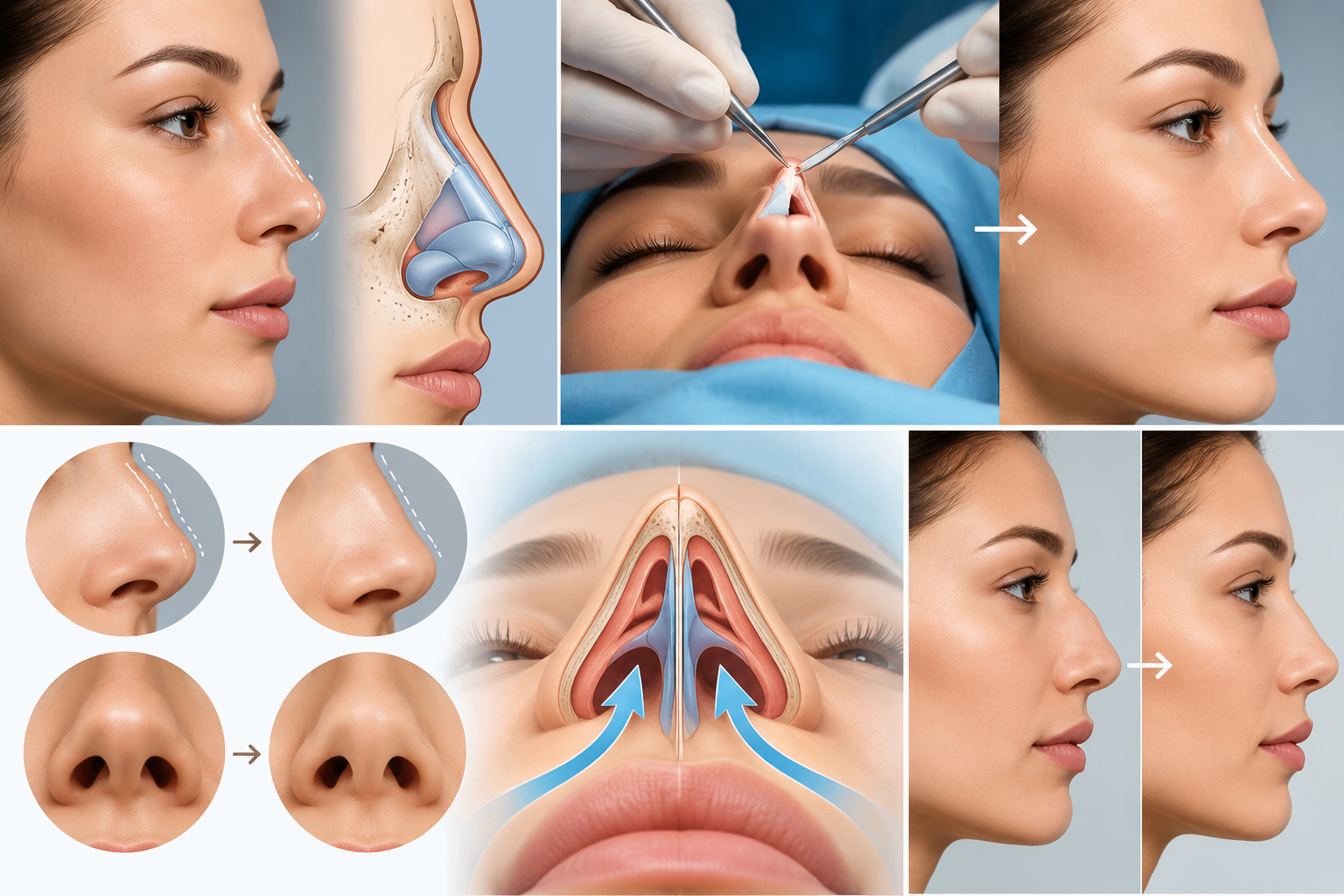
What Is Rhinoplasty? What You Need to Know About Nose Aesthetics
Rhinoplasty is a surgical procedure performed to change the shape, size, and proportion of the nose in harmony with the face. In addition to improving appearance, it may also help address certain breathing problems.

How to Choose a Hospital for Cosmetic Surgery in Turkey?
For patients planning cosmetic surgery in Turkey, choosing a hospital requires evaluating several factors together, including the surgeon’s experience, the hospital’s technical infrastructure, healthcare tourism capabilities, and postoperative care.